
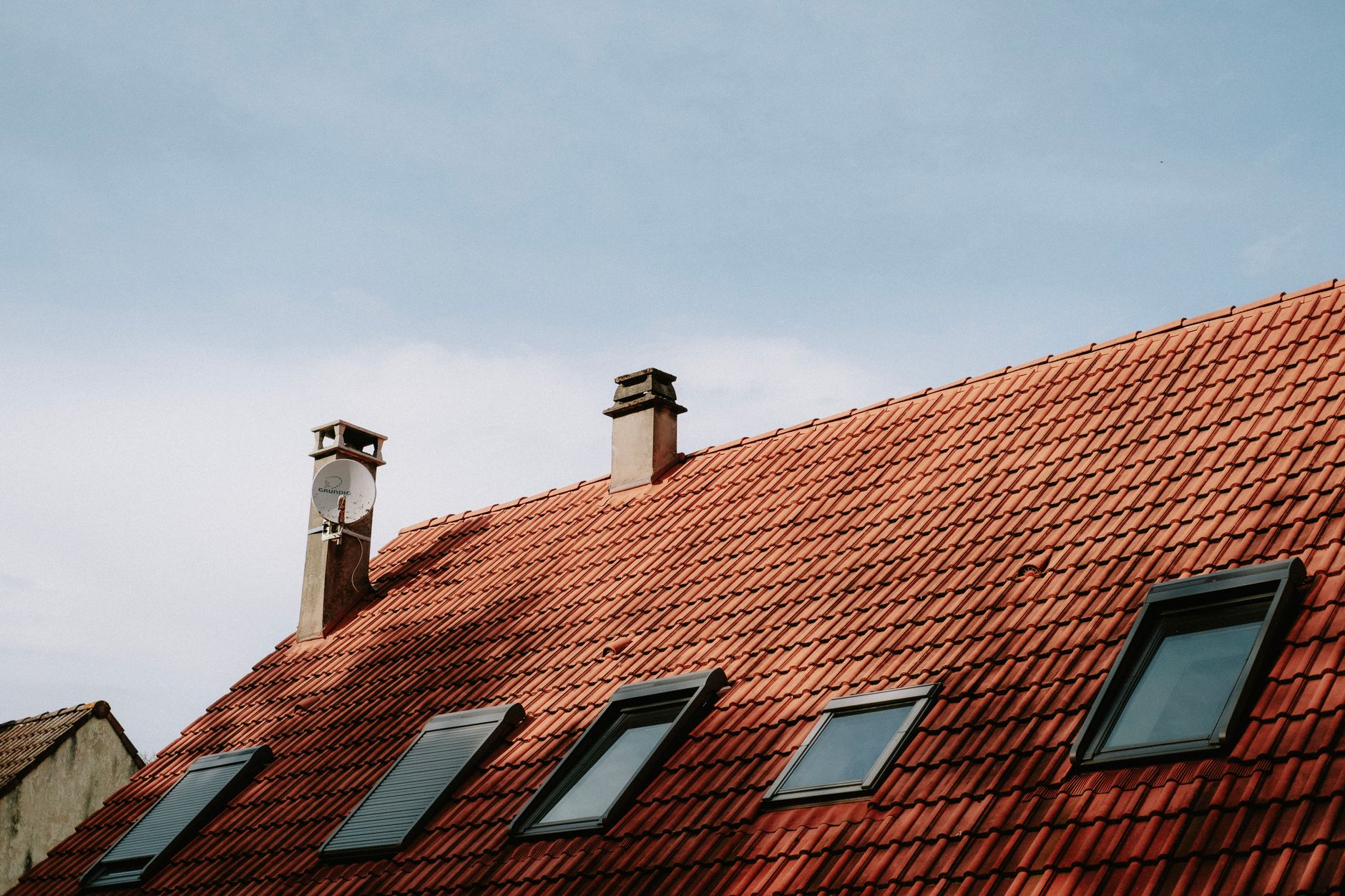
A chimney calendar for every building you look after
Plan the year with us
List your buildings, how many fireplaces each holds and which units sit empty part of the year. A draft calendar comes back.
Twelve months, building by building
This is the outline we start from. Buildings move between months to suit your leases, guest bookings and owner visits.
- January and February: gas pilots and burners in units used over the holidays, checked before the owners leave
- March and April: caps and screens on vacant units, ahead of spring nesting
- May and June: wood-burning units swept once the burning months are over, with a visual check at each
- July and August: camera visits on any flue that drew a note earlier in the year, while roofs are dry
- September and October: sweeps and gas relights in second homes before owners come back for the cool months
- November and December: a look at chimneys with a leak history after the first proper rain
What each fireplace gets on its visit
Every fireplace on the calendar gets a Level 1: the firebox, the damper, what we can see of the flue, and the crown, cap and flashing from the roof. A gas unit also gets its pilot, burner, glass and vent termination looked at, because those are what fail after months of sitting.
Each fireplace has its own dated page with photos, filed by building and unit number. When an insurer, a lender or a board asks what was checked and when, you hand over that page.
Empty units need a different eye
A unit with a tenant in it reports its own problems. A short-term rental between guests, or a condo whose owner spends winters elsewhere, does not. Rain through a missing cap, a squirrel in the flue or a gas valve left half open can sit for months.
So vacant units go first in the spring and the autumn on our plan, and we coordinate entry with you or your on-site contact. Nobody needs to wait at the door for us.
Billed per fireplace
One line per fireplace on the invoice. Nothing is charged for the building as a whole.
- Yearly visual check, each fireplace
- $58
- Camera visit when a flue has drawn a note
- $415
- Sweeping a unit that burns wood
- from $440
Repairs that come out of the calendar visits are listed apart, with our published figure or a written one for that chimney.
Questions from managers and boards
Do you work with HOAs that own the chimneys but not the units?
Yes. The board sets the calendar and we arrange unit entry with the manager. The report lists each fireplace by unit number.
Our units are booked by short-term guests. How do visits fit?
Send the gaps in the booking calendar. We use turnover slots and leave the unit as we found it, hearth covered while we work.
Can the plan change during the year?
Any time. A new building, a sale or a leak report moves things around, and we send the revised plan.
Does every fireplace need a Level 2 each year?
No. The yearly visual check covers a fireplace whose use and fuel have not changed. We suggest the camera after a sale, a chimney fire, a strong quake, a fuel switch, or when the visual check finds something it cannot settle.
Who receives the reports?
The manager by default, plus any owner or board member you name. Each fireplace gets its own dated page.
Get a year of chimney visits on paper
List your buildings on the contact page and mark which ones sit empty for part of the year. We send back a draft calendar with the per fireplace figure.
Call (626) 556-9502