The roof of the chimney, while you are away
Owners of second homes in South Pasadena often ask us one thing before they leave for the season: what should be on top of the chimney while nobody is here? The honest answer depends on what kind of chimney you have and how long the house will sit. There are three parts that do the job, and they are not interchangeable.
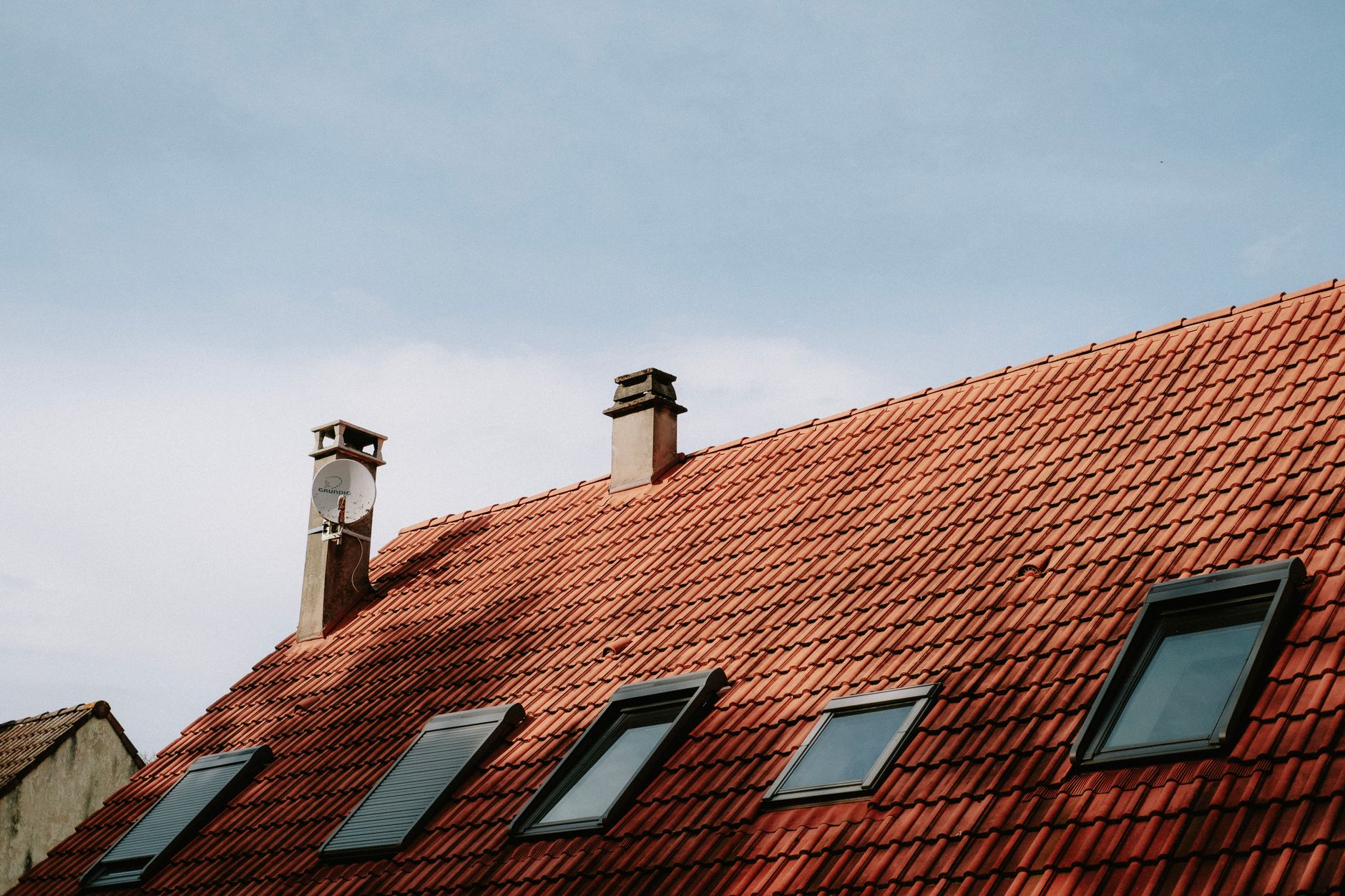
- A cap sits over the flue and keeps rain and animals out while leaving the flue open.
- A top-sealing damper closes the flue at the very top, shutting out air, insects and animals until someone opens it.
- A chase cover is the metal lid on a factory-built chimney boxed in framing, the kind found on many newer houses and additions.
Hornsby Chimney Works fits and repairs all three. This post sets out what each one stops, what it costs, and when a house needs more than one.
Side by side
| Cap | Top-sealing damper | Chase cover | |
|---|---|---|---|
| Goes on | Brick or factory-built chimneys | Mainly brick chimneys with a clay tile flue | Factory-built chimneys in a framed box |
| Keeps out rain | Yes, from the flue | Yes, when closed | Yes, from the whole box |
| Keeps out animals | Yes, with an intact screen | Yes, when closed | Only with a cap on top of it |
| Stops warm or cool air escaping | No | Yes | No |
| Holds back sparks | Yes | No, it is open during a fire | No |
| Our price | quoted after we measure the flue | Written figure for your flue | Written figure for your chase |
The cap
A cap is the baseline. Every chimney serving a fireplace should have one, occupied house or not. For a house that sits empty, it does the most important job: it keeps nesting birds, squirrels and leaves out of the flue, and keeps winter rain off the damper. The screened sides also stop sparks leaving when the fire is lit, which matters in a town where Santa Ana winds blow through the trees in fire season.
What a cap does not do is seal. Air still moves through the flue, and in a house shut up for the summer that means a steady swap of hot attic air and cool room air, plus a musty chimney smell when you come back. Our cap cost post covers what sets the price.
The top-sealing damper
This is a metal lid with a gasket that sits on top of the flue tile, held shut by a spring. A cable comes down the flue to a handle in the firebox. Pull the handle and it opens; release it and it closes tight. Many models come with a screened cap built around them.
For a seasonal house, it solves three problems at once. It seals the flue against air movement, it shuts out insects and animals completely when closed, and it replaces an old cast iron damper that has rusted or warped and no longer closes. We often fit one where the throat damper in the firebox is beyond saving.
The catch for a rental or a guest house: a top damper must be opened before anyone lights a fire. We fit a tag to the handle and add a line to the house instructions, and we check the cable and gasket on every visit. Repairs to old dampers and new top-sealing ones are on the chimney damper repair page.
The chase cover
Plenty of newer houses and additions have no brick chimney at all. A factory-built fireplace has a metal flue inside a wood framed box, clad outside to match the house. The top of that box is closed by a sheet of metal with a hole for the flue. When the cover is thin steel, it rusts; when it is flat, water sits on it and finds the seams. From there it soaks the framing and drips onto the top of the fireplace.
A chase cover has to be made to the size of the box, with a raised collar around the flue and a slight slope so water runs off. On a house that sits through the rainy months with no one checking the ceiling, a failing cover is one of the costlier leaks we see. The job is described on the chimney chase cover page.
What sets the price
Caps are quoted on site. The other two depend on the chimney:
- Top damper: the size and shape of the flue tile, whether one is needed per flue, whether the old throat damper has to come out, and the roof access.
- Chase cover: the size of the box top, the metal chosen, whether the cap and flue collar are reused or replaced, and what the water has already done to the framing.
We write a figure for both after a visit. Pairing it with a visual check of the chimney, at $58, tells us whether the brick, crown or flue need attention before a new part goes on. The kind of chimney and the flue size decide which of these you need and what it costs. Tell us whether your chimney is brick or boxed in siding, and how long the house will sit empty, and we will set up the visit.
When you need two
- Brick chimney, house empty for months: a top-sealing damper with a built-in cap, or a cap plus a sound throat damper.
- Factory-built chimney: a chase cover with the maker's cap on top of it.
- Brick chimney with a gas insert: the insert's own vent cap, and the old flue sealed around the liner.
Before you leave
The top of the chimney is a before-you-leave job. Booked on the visit when you close the house, it keeps the flue shut to the weather and to animals until you return. Our post on reopening a closed house covers the other half of the year.
We work across South Pasadena, Alhambra, Arcadia and Sierra Madre. Closing the house soon? Let us know through the contact page and mention what kind of chimney sits on the roof.
Opening the House for the Season?
Hornsby Chimney Works checks chimneys and gas fireplaces from South Pasadena for houses that sit closed part of the year. Use the contact page to give the address and your dates, and the report reaches you wherever you are.