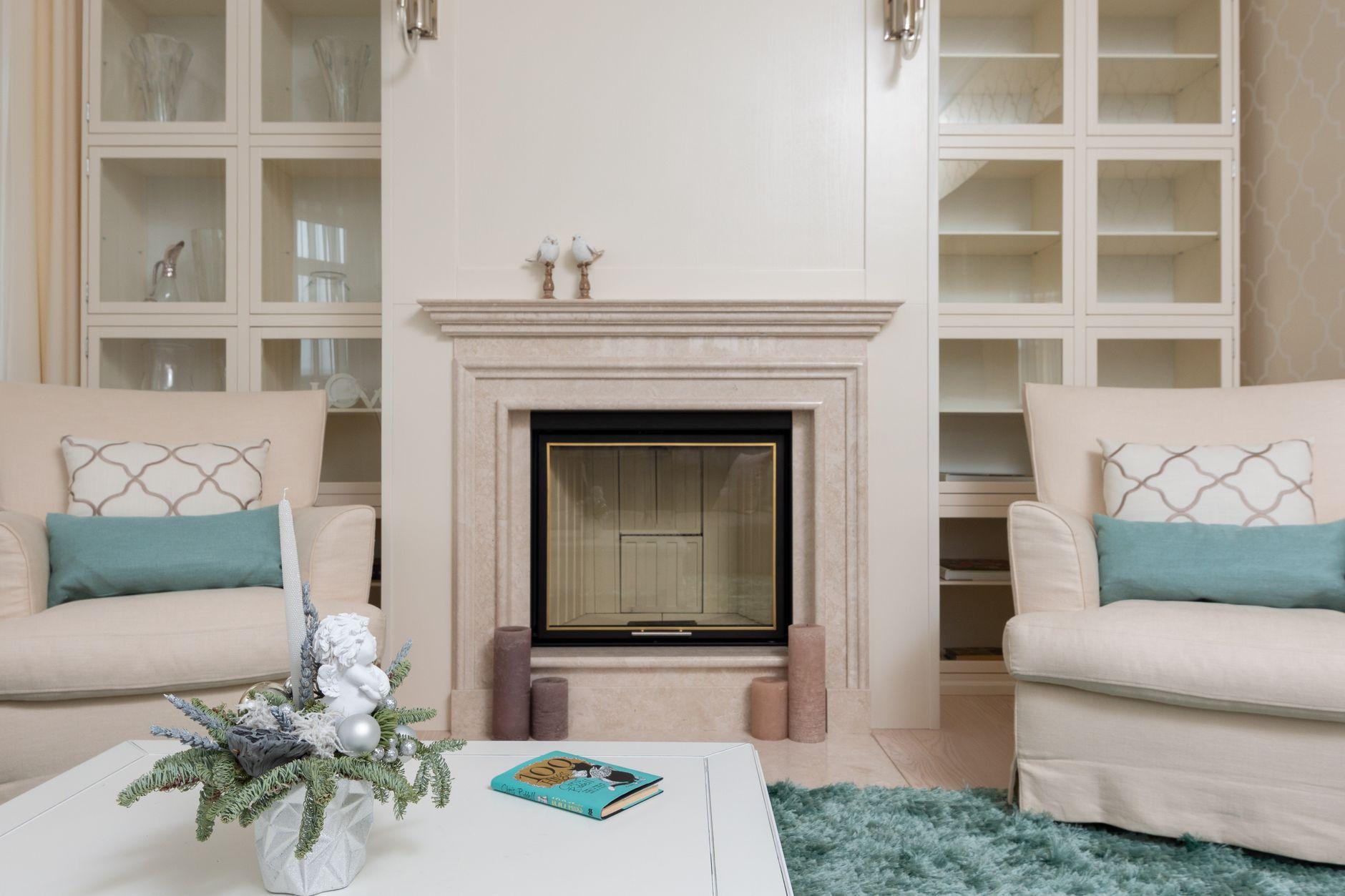
The first evening back
Owners tell us the same story every autumn. The house in South Pasadena has been shut since spring, or it was a rental that stood empty between tenants, and now someone wants a fire on the first cool night. The chimney is the one part of the house that kept working through the empty months, just not for you. Birds, squirrels, leaves and rain all used it while nobody was looking.
Hornsby Chimney Works plans its visits around that moment: before you light, and again after you leave. This post sets out what each visit costs, what the closed months tend to leave behind, and how to choose between the three.
What a closed season does to a chimney
An open flue on an empty house is an invitation. These are the things we find most often on the first visit after a long gap:
- Nesting. Spring birds build on the smoke shelf or just above the damper. A nest of twigs and grass sitting over the firebox is the first thing a fire reaches.
- Leaves and debris. South Pasadena has big street trees. Without a cap, oak and sycamore leaves drop straight in and pack down on the damper.
- Water. Winter storms soak a cracked crown or come straight down an uncovered flue. The damper plate rusts, the firebox mortar softens, and a stain shows up on the breast that nobody saw form.
- Stuck dampers. A cast iron damper left shut for months can rust closed or open, and either way it is not doing its job.
- Gas units gone quiet. A pilot left off since March, spiders in the burner ports, a remote with flat batteries. We cover those in our gas fireplace post.
None of this means the chimney is broken. It means the chimney has not been looked at since the last time it was used, and the first fire is not the time to find out.
Three visits and what each one costs
| Visit | What we do | Price |
|---|---|---|
| Visual check (Level 1) | Lights and a mirror from the firebox up, then the crown, cap and flashing from the roof | $58 |
| Camera visit (Level 2) | Everything above, plus a camera through the full flue, and a look at the attic and any other spot the chimney passes | $415 |
| Sweep | Brushes and a vacuum through a wood-burning flue, with the debris taken away | from $440 |
The visual check is the one most reopening houses need. The camera visit is for houses where something is unknown. The sweep is for wood-burning fireplaces that were used hard the season before, or that turn out to hold a nest or a pile of leaves.
Which one your house needs
This is the part that decides the bill, so here is how we choose with you.
Book the visual check if the house was yours last season, the fireplace burned the same fuel as before, nothing dramatic happened while you were away, and you simply want it looked at before the first fire. It covers what can be seen from the firebox and the roof, and most reopening visits stop there.
Book the camera visit if any of these is true:
- You bought the house recently and have never seen the inside of the flue.
- A strong quake shook the area while the house was empty.
- There was a chimney fire, or smoke stains above the opening you cannot explain.
- You are switching fuel, for instance from wood to a gas insert.
- The visual check found something that only the camera can settle.
Add a sweep if the fireplace burns wood and saw regular use last winter, or if the visual check finds nesting, leaves or a heavy soot layer.
If you are not sure which applies, tell us how long the house sat empty and what burns in the fireplace and we will name the visit before you book it.
What the visit leaves you with
Each visit ends with a written report and photos. Every finding is marked as fine for now, worth watching, or to be fixed before the next fire. Where a fix has a published price on this site, it is printed next to the finding:
- A leak traced to its source and stopped: $590 to $3,550.
- A cricket on the uphill side of a wide stack, where leaves and water pile up: $470 to $1,065.
A cap where there is none, or where the old one has rusted open, is quoted after we measure the flue.
Crown, damper and liner work vary too much from house to house for a list price. We write a figure for your chimney after the visit, and nothing is touched until you agree to it. Details of each job are on the chimney inspection, sweep and Level 2 pages.
Fitting the visit around your arrival
For a house that sits empty, the visit is easiest to fit in before you arrive, not on your first weekend back. We can let ourselves in through a neighbor, a property manager or a lockbox, cover the hearth while we work, and leave the house as we found it. The report goes to you by email, along with anyone else you name, such as a manager or a co-owner.
It also helps to book the second visit at the same time: a short check after you close the house up again. That is when a cap goes on, a top-sealing damper gets fitted, or a gas pilot is turned off properly, so the next opening is quicker. Our post on caps, top dampers and chase covers compares the ways to close a chimney for the months you are away.
A checklist for the week before you light
- Visit booked and the report in your inbox.
- Any "fix before the next fire" items done or scheduled.
- Damper opens and closes by hand.
- Cap in place, screen intact.
- A carbon monoxide alarm in the room or the hall outside it.
- For gas, the pilot relit by us and the flame checked.
South Pasadena, Alhambra, Arcadia and Sierra Madre
Most of our reopening visits are in South Pasadena, with regular days in Alhambra, Arcadia and Sierra Madre. The older houses in these towns tend to have tall brick chimneys with clay flue tiles, which is why the camera visit comes up so often on houses with a recent change of owner.
When the house is ready to come back to life, open the contact page, give us the address and the date you plan to arrive, and we will set the visit before your first fire.
Opening the House for the Season?
Hornsby Chimney Works checks chimneys and gas fireplaces from South Pasadena for houses that sit closed part of the year. Use the contact page to give the address and your dates, and the report reaches you wherever you are.