
Nobody saw the first stain
In a house someone lives in, a chimney leak is caught small. A drip on the hearth after the first storm, a brown ring on the ceiling, a musty smell in the attic, and a call goes out. In a second home or a rental between tenants, the first storm passes with nobody inside. So does the second. By the time someone opens the door, the water has had a whole wet season to work into the plaster, the framing beside the chimney and the insulation above it.
That is why leak repair on an empty house in South Pasadena tends to cost more than the same leak caught early, and why we treat it as a before-you-leave job as much as an after-the-storm one.
Where the water gets in
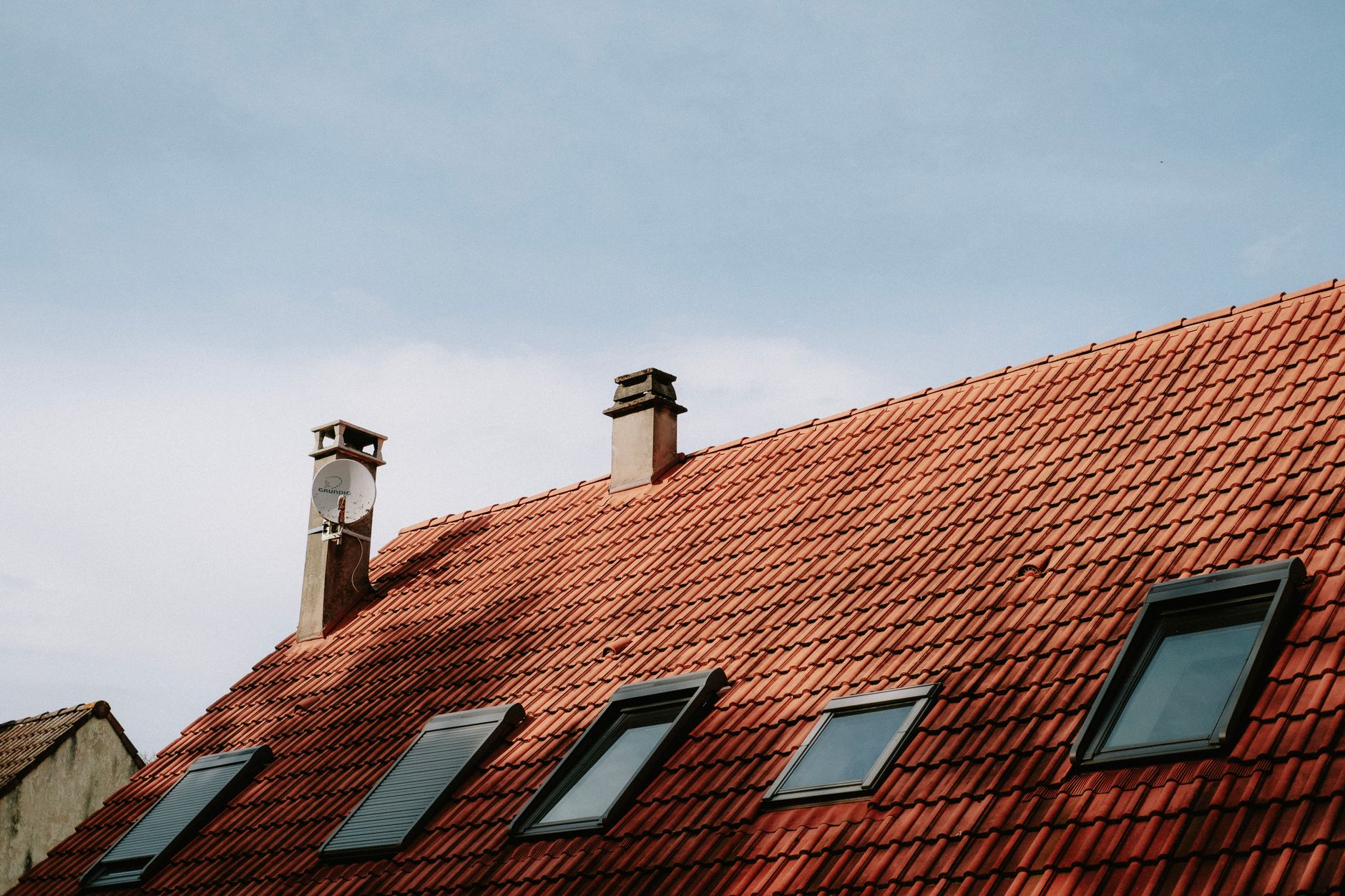
A chimney is a brick column that passes through the roof, so it has more ways in than a plain stretch of roofing. On the houses we see, the usual culprits are:
- No cap, or a rusted one. Rain drops straight down the flue onto the damper and the smoke shelf.
- A cracked crown. The concrete top of the stack splits with age or a quake, and water runs into the brick beneath.
- Flashing. The metal where the roof meets the brick lifts, rusts or loses its sealant, and water runs behind it into the attic.
- No cricket. On a wide chimney that sits across the slope, water and leaves bank up on the uphill side and find any weak spot.
- Thirsty brick and mortar. Old brick with worn joints soaks up rain like a sponge and passes it inward.
Most leaks have more than one source. A stack with a cracked crown often has tired flashing too, because both are the same age.
What each repair costs
| Repair | Price |
|---|---|
| Tracing a leak to its source and stopping it | $590 to $3,550 |
| Building a cricket on the uphill side | $470 to $1,065 |
| A cricket with every piece of flashing renewed | $710 to $1,750 |
| A cap over an open flue | quoted after we measure |
Crown repair, water repellent on the brick, and metal covers on factory-built chimneys have no list price. We write a figure for your chimney once we have been on the roof and in the attic.
What sets the figure
The leak repair range is wide because the job behind it varies so much. These are the things that move it:
- How many sources. One loose piece of flashing sits near the bottom. A crown, flashing and porous brick all letting water in together sits near the top.
- The roof. A low pitched shingle roof is quick to work on. Clay tile, slate or a steep pitch takes more setup and care to avoid breaking roofing on the way.
- The height of the stack. A tall two-story chimney needs more staging.
- What the water already did. Rotted framing beside the chimney or a damp attic floor has to be dealt with before the outside is sealed.
We find the source by wetting the chimney a section at a time, starting low on the roof and moving up, with someone in the attic between each round. It takes longer than guessing, and it means you pay to fix the leak you have, not one you might have.
The number of sources and the kind of roof decide where your repair falls in the range. Describe where the water shows inside and when it started, and we will set up the visit and price the repair from the roof and the attic.
What we write on the quote
Every leak quote lists each source we found, with a photo, the fix for each one, and the price beside it. If one of them is a published item, such as a cricket, it carries our listed figure. A cap is quoted after we measure. If it is crown work or a repellent coat, it carries the figure we wrote for that chimney. You can approve the lot or start with the source that lets in the most water.
Inside the house, after the roof is sealed
Stopping the water outside is our part. The stained plaster, the swollen trim around the mantel and any wet insulation in the attic belong to a painter, a carpenter or your insurer. We photograph that damage on the same visit and note on the report which source caused it, so whoever handles the inside, or the claim, has a clear record of where the water came from and when the leak was stopped.
If the house is let, that record also helps with the tenant or the guest who first reported the stain. It shows the leak was traced and fixed, with dates, and it sits in your file for the next inspection.
The empty-house angle
For a house that stands closed through the rainy months, two things help most:
1. Book the visit when you close up. A short check of the cap, crown and flashing before you leave catches the leak before the season starts. Our cap cost post covers the cap side of that check. 2. Ask someone to look after the first big storm. A neighbor or manager walking past the chimney breast with a torch is enough to spot a fresh stain early.
If the house is about to be sold, a leak found by the buyer's inspector becomes a negotiation. The home sale inspection page shows how we price that kind of finding for a repair request or a credit.
Around South Pasadena
Many South Pasadena houses have tall brick chimneys on older roofs, often clay tile, which is exactly where flashing and crowns wear out together. We also work in Alhambra, Arcadia and Sierra Madre. The jobs themselves are described on the chimney leak repair, crown repair and flashing repair pages.
Found a stain after the house sat empty? Write to us through the contact page and tell us where it shows inside, so we know where to start on the roof.
Opening the House for the Season?
Hornsby Chimney Works checks chimneys and gas fireplaces from South Pasadena for houses that sit closed part of the year. Use the contact page to give the address and your dates, and the report reaches you wherever you are.