
Seismic Work for a Chimney That Stands Alone
Book This Visit
Give the address and the dates someone can let us in. We reply with a time.
On Our Checklist
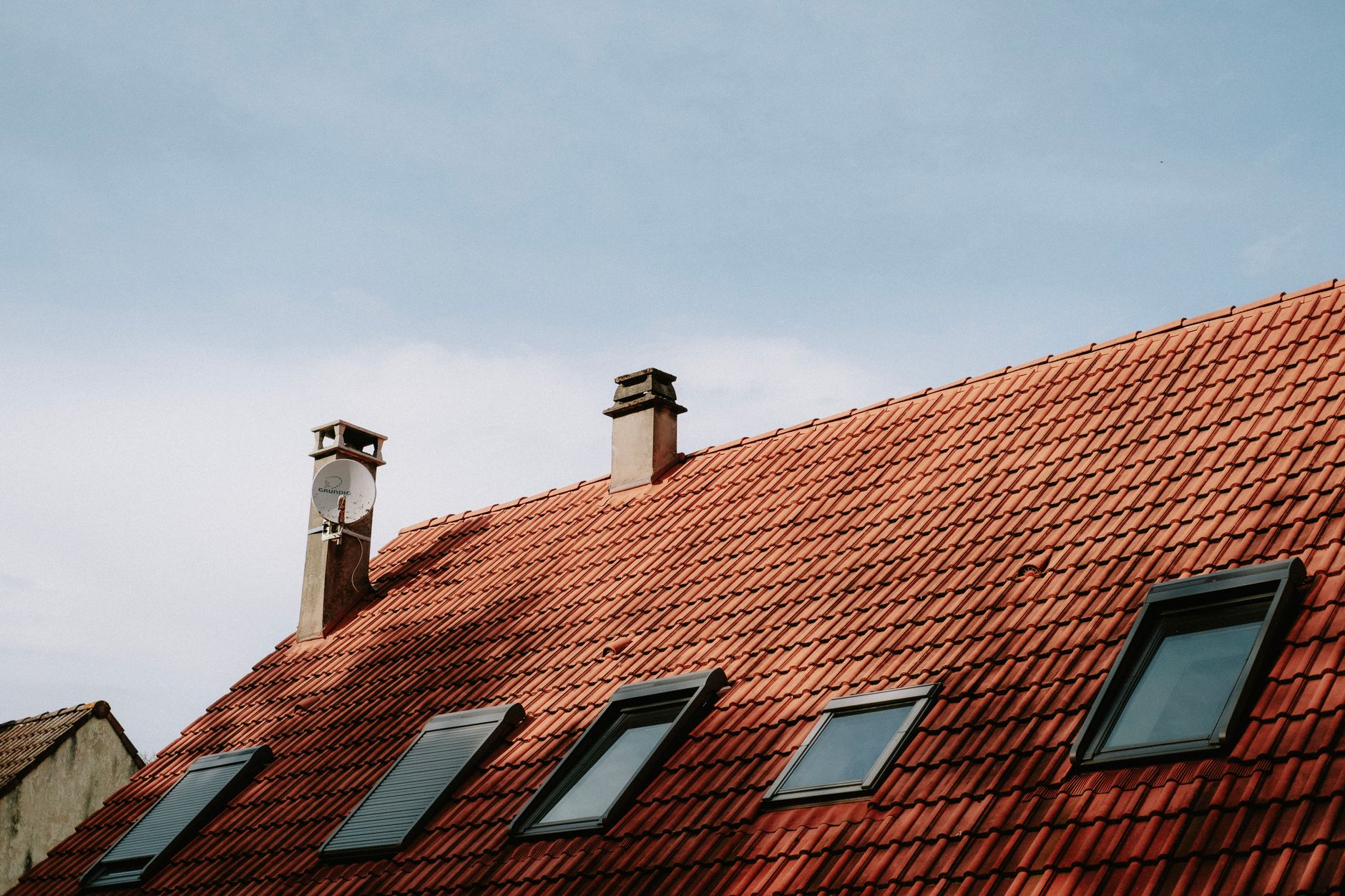
A brick chimney and the wood house it leans on move differently when the ground shakes, and the top of the stack is where they part. On a house that is often empty, a fallen chimney may sit unseen for weeks. We assess the brick and how it is tied to the framing, then lay out the options in writing: steel bracing, straps near the roof, or rebuilding the upper part lighter.
A Quake With No One Home
Old brick chimneys in this part of Los Angeles County were built before steel bars went into chimney masonry, so their brick is held together by mortar alone. The part above the roof has nothing around it to hold it up, and in a strong shake it rocks on its base while the frame of the house beneath it moves to its own rhythm. That is why so many chimneys broke at the roofline in 1987 and again in the 1994 quake, and why the foothill towns found fresh cracks after the 1991 Sierra Madre shock. For a house that is lived in, a broken chimney after a quake is found the same morning. For a house that sits empty, it may not be found for weeks: bricks on the roof, a hole in the shingles, rain pouring into the attic, and a flue cracked so badly that the next fire would be dangerous. Retrofit work is about lowering that risk before the shaking starts, so an empty house rides out a quake in better shape.
The visit begins with the brick, because no retrofit makes sense on a stack that is already failing. We look at the mortar, the joints near the roofline, any old cracks or patches and the way the chimney is tied to the house now, if at all. In the attic we look at how close the framing comes to the brick and what it could anchor to. From the roof we look at the height of the stack above the shingles, since the taller it stands, the more it moves. If the brick is too weak to hold an anchor, the report says so plainly and the choices narrow to taking the top down. If the brick is sound, all of the options below are on the table. Either way you get a written sheet that sets out what we found, which approaches would work on your chimney and what each one would cost, so the choice is yours to make with the facts in front of you.
The Options, in Plain Terms
Retrofit work comes in three general forms, and many chimneys get a mix. The first is a brace: a steel arm fixed high on the part of the chimney above the roof and anchored down into the rafters, so the top of the stack has something to push against when it starts to rock. The second is anchoring along the height of the chimney: metal straps fastened around the brick where it passes each level of the house and bolted into the joists, so the chimney and the house move as one instead of pounding against each other. The third removes the hazard rather than holding it: the brick above the roof comes down, the roof is closed around the opening, and a light metal flue with a stainless liner carries the smoke out above the shingles. That last path suits owners who use the fireplace rarely or have switched to gas, and it takes the heaviest, most exposed part of the chimney out of the picture.
Which approach fits depends on the brick, the height of the stack, the framing it can tie to and how you use the fireplace. A short, sound stack on a house with good attic framing may need only straps. A tall stack on a steep Sierra Madre lot may need a brace and straps together, or may be a better candidate for lowering. The written sheet describes each option for your house in plain words: what is installed, where, what changes on the roof and inside the attic, and how the fireplace can be used afterward. It also says what the price does not include, such as roof repair beyond the chimney or work on the flue that the inspection found. We do not promise that any retrofit will stop all damage in a large quake; the aim is a chimney less likely to fall, and a house less likely to be hurt if it does. Planning the work for months when the house is empty keeps disruption low.
How Hornsby Chimney Works Handles It
Cap Down
Checks run from the top of the chimney to the firebox
Owner Away
Report and photos sent wherever you are
Written Price
Each repair priced before anyone starts
Sorted List
Fix before a fire, fix later, or leave alone
Local Chimney Seismic Retrofit pages
The towns below have a page of their own for this service, with their houses, weather and postcodes.
That town is not on the route list. Search the one beside it.
Often Booked With It
Chimney Sweep
Brushing and vacuuming a flue that has sat idle, with leaves, nest material and old creosote cleared before the house is used again.
OpenChimney Inspection
A before you light check for houses left closed: cap, crown, flue, damper and firebox read and written up in order of urgency.
OpenChimney Repair
Fixes for the damage an empty season hides: open joints, a split crown, broken flue tile, found and repaired before anyone lights a fire.
OpenFireplace Inspection
A room-side look before a fire after months away: firebox, damper, hearth, glass doors and the trim around the opening.
OpenFireplace Repair
Repairs to the parts a closed season wears down: cracked firebrick, a rusted damper, loose hearth tile, worn door gaskets.
OpenChimney Level 2 Inspection
A camera scan of the whole flue for houses changing hands, coming back after a fire or quake, or reopening after years closed.
OpenChimney Cap Installation
Covers with an ember screen that stop birds, rodents and rain getting into a flue while the house is shut.
OpenChimney Flashing Repair
Leaks at the roof line traced and resealed, often found only when an owner returns to a stained ceiling.
OpenChimney Masonry Repair
Brick and mortar work on stacks that weather year round, whether or not anyone is home to light a fire.
OpenChimney Rebuilds
Relaying a stack that is too loose to patch, with the work planned for weeks when the house stands empty.
OpenFireplace Cleaning
Room-side cleanup before guests arrive: ash out, glass clear, soot lifted from the face, gas logs dusted.
OpenGas Fireplace Cleaning
A yearly service for gas fireplaces and log sets left off for months: pilot, burner, glass and venting cleaned and tested.
OpenGas Fireplace Repair
Diagnosis for gas fireplaces that would not start after a season off, tested part by part before anything is ordered.
OpenFireplace Remodel
Refaced fireplaces for a house you visit part of the year: surround, hearth and mantel rebuilt to the clearances the unit needs.
OpenFireplace Inserts
Sealed wood or gas units fitted to an existing fireplace, chosen with how often the house is actually used in mind.
OpenPellet Stove Repair
Service and repair for pellet stoves that sat through a season with fuel in the hopper and dust in the works.
OpenWood Stove Repair
Repairs for wood stoves that come out of the off season with a tired door seal, cracked brick or warped baffle.
OpenGas Logs
Gas log sets for a fireplace you want lit within a minute of walking in, matched to the firebox and the room.
OpenChimney Crown Repair
Repair or recasting of the cement top on a brick chimney, often the first part to let water into an unwatched house.
OpenDryer Vent Cleaning
Lint cleared from the duct between the dryer and the outside, often before tenants move in or after a long vacancy.
OpenChimney Liner Installation
Stainless liners for flues with cracked tile or no lining, fitted so a seasonal house is safe to heat again.
OpenChimney Leak Repair
Finding where rain got in during the months nobody was home, then sealing that one point rather than the whole chimney.
OpenChimney Waterproofing
Brick on an empty house soaks up winter rain with nobody watching; a clear repellent slows that, once repairs are done.
OpenChimney Damper Repair
Dampers that rusted, stuck or warped over a closed season, freed, repaired or replaced before the first fire.
OpenChimney Chase Cover
Custom lids for framed metal chimneys, so rust does not let rain into a house that sits closed.
Open