
Chimney Waterproofing for Houses That Sit Closed
Book This Visit
Give the address and the dates someone can let us in. We reply with a time.
On Our Checklist
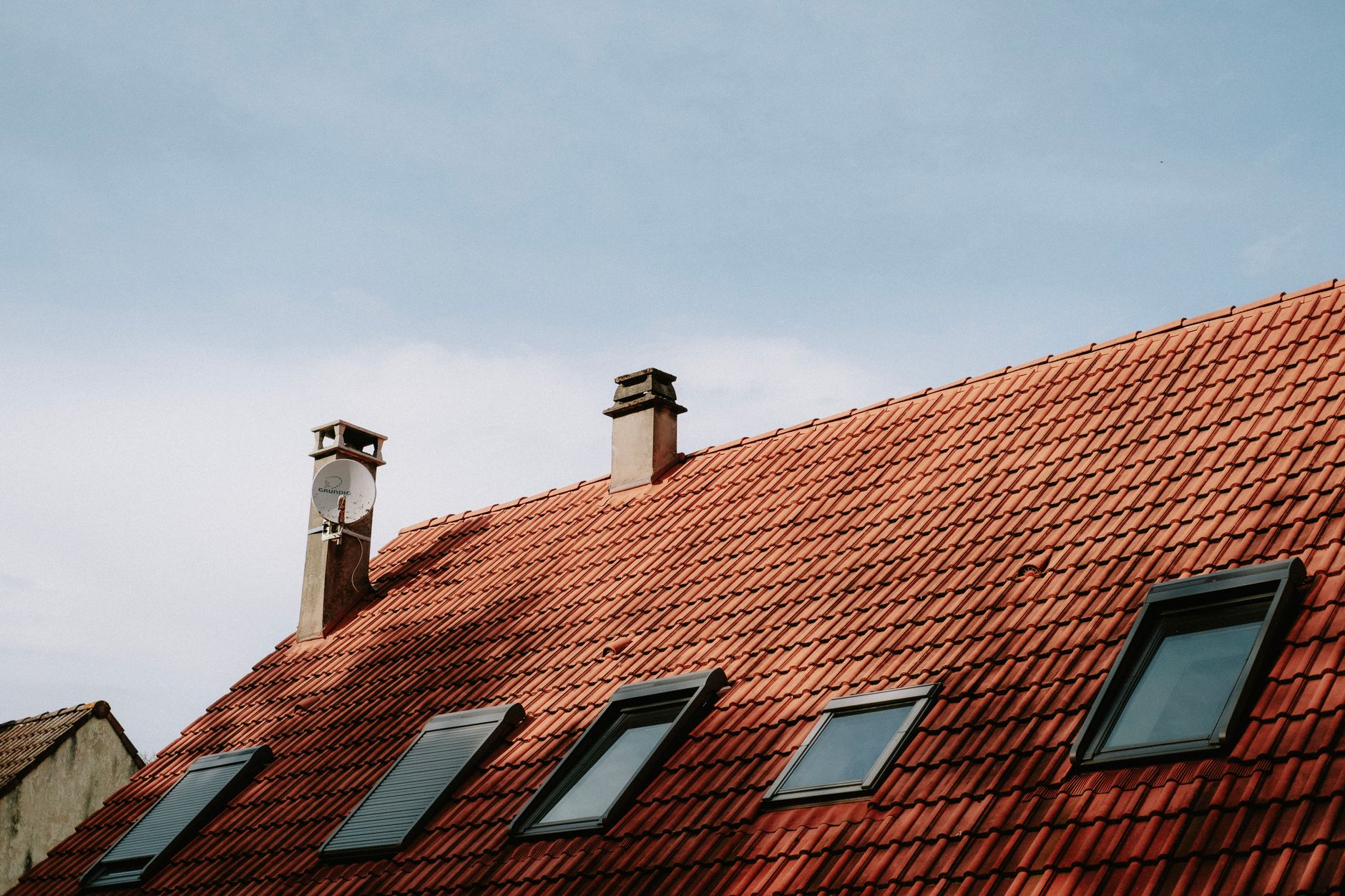
Brick takes in water. On a house that sits closed through the wet months, that water stays in the wall, rusts the damper and breaks down mortar. A clear repellent made for masonry cuts how much the brick drinks while letting trapped damp dry out. We fix open joints and cracks first, since coating over them only seals the problem in, then spray the chimney from the crown to the roof line.
Why a Closed House Keeps Its Brick Wet
Brick and mortar take in rain. In a home with a fire going and the heat running, the chimney warms from inside and dries out between storms. In a house that is empty all winter, the chimney stays cold. Water that soaks into the brick during a storm sits there until the sun reaches it, and on a north facing stack under trees that can take weeks. Wet brick does slow harm. It carries salts to the surface, which shows as white crust. It wears the mortar joints from inside. It feeds moisture into the flue and onto the damper and smoke chamber. On a stack that took quake cracks, it works into those cracks and widens them. A water repellent changes the first step: storms wet the face and slide away without filling the brick, so there is less water in the brick to begin with. For a chimney that spends long stretches with no one home and no heat inside, that difference adds up season after season.
The product matters. We use a clear masonry treatment that turns rain away at the surface but leaves the brick able to breathe out the damp it already holds. That second part is what separates a proper repellent from paint, plastic sealers or roofing coatings, which trap the damp inside and make the brick face pop off in sheets within a few years. We have seen plenty of chimneys in South Pasadena and Arcadia painted or sealed with the wrong product, and the repair always starts by getting it off. A repellent is not a fix for a crack, an open joint, a broken crown or bad flashing. Water will go straight through any of those whatever is on the brick around them. So we only treat a chimney after those are sound, and the inspection says plainly whether they are. Applying it over open defects is money spent on a chimney that will still leak.
When to Treat, and How It Is Priced
The right moment to treat a chimney comes after any masonry, crown or flashing work is done and has cured, on a dry day with no rain in the forecast. For a part-time house, that usually means late spring or summer, when the house may well be empty. The brick is cleaned of loose dirt and salt first so the repellent can soak in rather than sit on top. Then it is applied to every face of the chimney above the roof, the area that takes the most weather, and the surrounding roof is protected from overspray. Once dry, it is invisible: the chimney looks the same from the street, it just sheds rain. A good treatment lasts years, though exposure, sun and the product all change how long, and the next inspection tells you when it is time to reapply. Chimneys on the foothill side of Sierra Madre, which take the most wind driven rain, wear through it faster.
Waterproofing has no published figure on its own because the height of the chimney, how much of it stands above the roof and how hard it is to reach all change the time it takes. It is usually priced as a line on the same sheet as the repairs that come before it, so you can see the whole job at once and leave the treatment off if you prefer. If the chimney has been painted or coated with the wrong product, the sheet includes removing that first, and says so plainly. Owners who have just had a leak fixed often ask whether to add waterproofing, and our answer depends on what the leak was. If the brick itself was soaking water, it is worth doing. If the leak came through a crown crack or flashing, the repair alone may be enough, and we would rather tell you that than sell a coat you do not need.
How Hornsby Chimney Works Handles It
Cap Down
Checks run from the top of the chimney to the firebox
Owner Away
Report and photos sent wherever you are
Written Price
Each repair priced before anyone starts
Sorted List
Fix before a fire, fix later, or leave alone
Local Chimney Waterproofing pages
The towns below have a page of their own for this service, with their houses, weather and postcodes.
That town is not on the route list. Search the one beside it.
Often Booked With It
Chimney Sweep
Brushing and vacuuming a flue that has sat idle, with leaves, nest material and old creosote cleared before the house is used again.
OpenChimney Inspection
A before you light check for houses left closed: cap, crown, flue, damper and firebox read and written up in order of urgency.
OpenChimney Repair
Fixes for the damage an empty season hides: open joints, a split crown, broken flue tile, found and repaired before anyone lights a fire.
OpenFireplace Inspection
A room-side look before a fire after months away: firebox, damper, hearth, glass doors and the trim around the opening.
OpenFireplace Repair
Repairs to the parts a closed season wears down: cracked firebrick, a rusted damper, loose hearth tile, worn door gaskets.
OpenChimney Level 2 Inspection
A camera scan of the whole flue for houses changing hands, coming back after a fire or quake, or reopening after years closed.
OpenChimney Cap Installation
Covers with an ember screen that stop birds, rodents and rain getting into a flue while the house is shut.
OpenChimney Flashing Repair
Leaks at the roof line traced and resealed, often found only when an owner returns to a stained ceiling.
OpenChimney Masonry Repair
Brick and mortar work on stacks that weather year round, whether or not anyone is home to light a fire.
OpenChimney Rebuilds
Relaying a stack that is too loose to patch, with the work planned for weeks when the house stands empty.
OpenFireplace Cleaning
Room-side cleanup before guests arrive: ash out, glass clear, soot lifted from the face, gas logs dusted.
OpenGas Fireplace Cleaning
A yearly service for gas fireplaces and log sets left off for months: pilot, burner, glass and venting cleaned and tested.
OpenGas Fireplace Repair
Diagnosis for gas fireplaces that would not start after a season off, tested part by part before anything is ordered.
OpenFireplace Remodel
Refaced fireplaces for a house you visit part of the year: surround, hearth and mantel rebuilt to the clearances the unit needs.
OpenFireplace Inserts
Sealed wood or gas units fitted to an existing fireplace, chosen with how often the house is actually used in mind.
OpenPellet Stove Repair
Service and repair for pellet stoves that sat through a season with fuel in the hopper and dust in the works.
OpenWood Stove Repair
Repairs for wood stoves that come out of the off season with a tired door seal, cracked brick or warped baffle.
OpenGas Logs
Gas log sets for a fireplace you want lit within a minute of walking in, matched to the firebox and the room.
OpenChimney Seismic Retrofit
Bracing or a partial rebuild for brick chimneys on houses that may sit empty when the next strong quake comes.
OpenChimney Crown Repair
Repair or recasting of the cement top on a brick chimney, often the first part to let water into an unwatched house.
OpenDryer Vent Cleaning
Lint cleared from the duct between the dryer and the outside, often before tenants move in or after a long vacancy.
OpenChimney Liner Installation
Stainless liners for flues with cracked tile or no lining, fitted so a seasonal house is safe to heat again.
OpenChimney Leak Repair
Finding where rain got in during the months nobody was home, then sealing that one point rather than the whole chimney.
OpenChimney Damper Repair
Dampers that rusted, stuck or warped over a closed season, freed, repaired or replaced before the first fire.
OpenChimney Chase Cover
Custom lids for framed metal chimneys, so rust does not let rain into a house that sits closed.
Open